What is Ultra High Polyphenol Extra Virgin Olive Oil?
Extra virgin olive oil is known for its healthy fats, but it also contains natural plant compounds called polyphenols. These contribute to its distinctive flavour and are attracting scientific attention for their antioxidant properties.
High polyphenol extra virgin olive oil (EVOO) contains greater amounts of these compounds than many conventional olive oils. However, the exact concentration depends on the olives used and how the oil is produced.
What Makes an Olive Oil High in Polyphenols?
Olive oil contains several important phenolic compounds, including hydroxytyrosol, tyrosol, oleocanthal and derivatives of oleuropein.
The amount present can vary depending on:
The olive variety and growing conditions.
How ripe the olives are when harvested.
The extraction and production process.
How the finished oil is packaged and stored.
Early harvest olive oils can be particularly rich in phenolic compounds, although an early harvest alone does not guarantee a high concentration.
There is no universally established official total-polyphenol threshold for labelling an oil "ultra high polyphenol". Independent laboratory testing is the best way to verify its reported concentration.

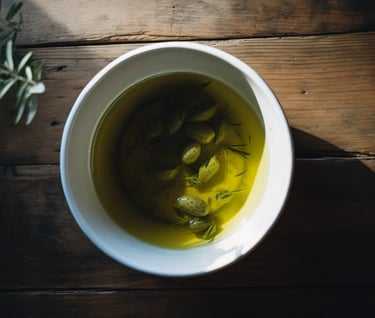
What Are the Health Benefits of High Polyphenol Olive Oil?
Extra virgin olive oil is an important part of Mediterranean-style eating, which has been extensively researched for its association with cardiovascular health.
Olive oil polyphenols are also being studied for their potential effects on oxidative stress and other biological processes.
A specifically authorised health claim states that olive oil polyphenols contribute to protecting blood lipids from oxidative stress, provided the oil contains the required amount of particular phenolic compounds.
Research is also exploring possible relationships between olive oil consumption, inflammation, cognitive health and the gut microbiome. However, these findings do not establish that high polyphenol olive oil prevents or treats diseases such as cancer or Alzheimer's.
How to Identify Ultra High Polyphenol Olive Oil
If you're looking to buy high polyphenol extra virgin olive oil in the UK, consider these five things:
1. Independent laboratory testing: Look for a certificate showing the oil's measured phenolic content in mg/kg and the compounds tested.
2. Harvest date: Choose oils with clear harvest information and check that the laboratory results relate to the relevant batch.
3. Olive variety: Cultivars such as Koroneiki can produce robust oils, but their polyphenol concentrations vary.
4. Packaging: Dark glass bottles and metal tins help protect olive oil from light.
5. Flavour: A bitter or peppery finish can indicate the presence of certain phenolic compounds, although taste cannot determine their exact concentration.
At Early Harvest, we aim to make it easier to compare olive oils using independently reported polyphenol results and information about their quality and origin.
How Much High Polyphenol Olive Oil Should You Consume?
Olive oil can be enjoyed regularly as part of a balanced diet, whether drizzled over vegetables, added to salads or used in cooking.
The authorised olive oil polyphenol health claim refers to a daily intake of 20 g of qualifying olive oil, but this should not be interpreted as a universal recommended dose or a guarantee of health benefits.
Olive oil is also calorie-dense, so the amount you consume should fit your overall dietary needs.
Why Is High Polyphenol Olive Oil More Expensive?
Some producers harvest olives relatively early, when oil yields can be lower. Careful processing, independent laboratory analysis, specialist packaging and smaller production volumes can also increase costs.
However, a higher price does not automatically mean an oil contains more polyphenols.
Discover High Polyphenol Olive Oils in the UK
At Early Harvest, we help consumers explore the differences between extra virgin olive oils, with an emphasis on transparent laboratory information and product quality.
Compare High Polyphenol Extra Virgin Olive Oils in the UK
Further reading: UK legislation — olive oil polyphenols health claim
Scientific Research on High Polyphenol Olive Oil
Extra virgin olive oil and its naturally occurring polyphenols have been the subject of numerous scientific studies exploring their potential effects on cardiovascular health, inflammation and oxidative stress.
Research includes human clinical trials, laboratory investigations and scientific reviews. While findings are encouraging in several areas, research is ongoing, and not all potential health benefits have been established in humans.
Explore the scientific research:
Potential Health Benefits of Olive Oil and Plant Polyphenols
Olive Oil Polyphenols Decrease LDL Concentrations and LDL Atherogenicity in Men
Effects of Olive Oil Phenolic Compounds on Inflammation and Coronary Artery Disease
Beneficial Effects of Polyphenol-Rich Olive Oil in Patients with Early Atherosclerosis
Critical Review on the Significance of Olive Phytochemicals in Plant Physiology and Human Health
These publications are provided for educational purposes. Findings from individual studies should not be interpreted as proof that a particular olive oil prevents, treats or cures disease.

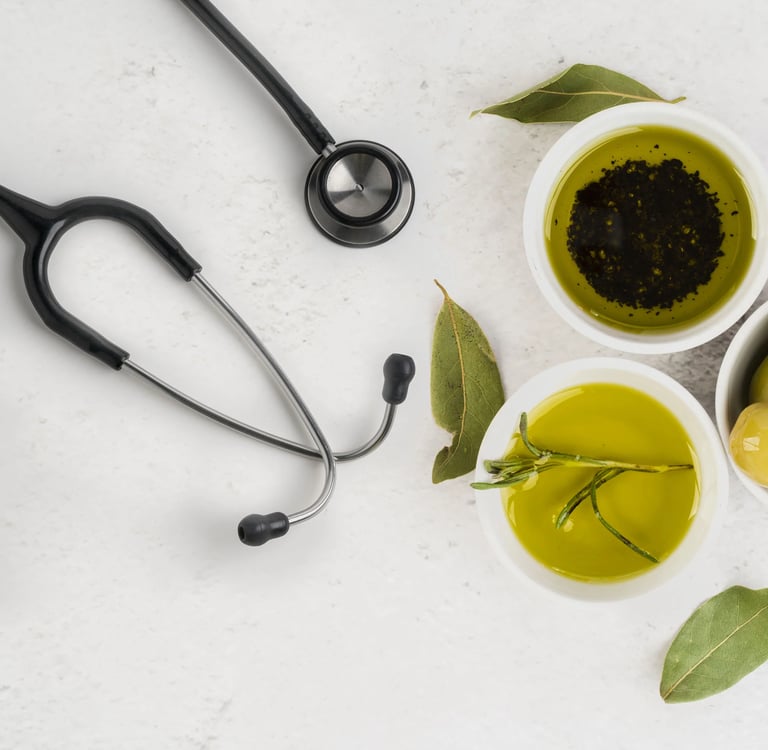
High Polyphenol Olive Oils available in the UK
Organic EVOOs rich in polyphenols
Top high polyphenol olive oils on Amazon
Best cooking olive oils on Amazon
Guide to drinking olive oil
Early Harvest is supported by affiliate partnerships. We may earn commissions from purchases made through links on this website, at no additional cost to you. As an Amazon Associate we earn from qualifying purchases at no additional cost to you.
1,073 mg/kg