High Polyphenol Olive Oil for Skin Health: What the Science Says
Discover what research says about high polyphenol olive oil for skin health, including hydroxytyrosol, oleocanthal, oxidative stress and skin-cell research.

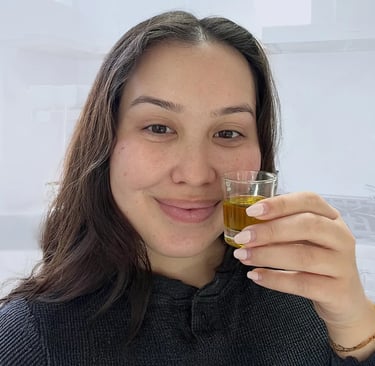
Could high polyphenol olive oil support skin health? Scientists are becoming increasingly interested in the natural polyphenols found in extra virgin olive oil, including hydroxytyrosol, tyrosol and oleocanthal.
These plant compounds are best known for their antioxidant properties, but emerging laboratory research suggests they may also influence processes involved in maintaining and repairing skin tissue. So what does the science actually show?
Why Are Olive Oil Polyphenols Interesting for Skin Health?
Our skin is constantly exposed to factors that can contribute to oxidative stress, including UV exposure, pollution and normal metabolic processes. Polyphenols are naturally occurring compounds produced by plants. Extra virgin olive oil can contain dozens of different phenolic compounds, including hydroxytyrosol, oleuropein derivatives, tyrosol and oleocanthal.
Their antioxidant activity is one reason scientists are investigating whether olive polyphenols could have wider implications for healthy ageing and skin health. Importantly, however, the amount of polyphenols in one olive oil can be very different from another.
The Study: Olive Polyphenols and Skin Cells
A 2023 study published in the scientific journal Nutrients examined three polyphenols found naturally in extra virgin olive oil:
Hydroxytyrosol
Tyrosol
Oleocanthal
Researchers associated with the University of Granada in Spain studied how these compounds affected cultured human fibroblasts.
Fibroblasts are important cells within connective tissue and play a key role in maintaining the structure of our skin and in the normal wound-healing process.
The researchers found that treatment with the three olive polyphenols increased fibroblast proliferation under laboratory conditions.
They also observed increased cell migration and changes in markers associated with tissue regeneration. The researchers concluded that their findings suggest phenolic compounds present in extra virgin olive oil may influence fibroblast activity involved in tissue repair. .
Why Choose a High Polyphenol Olive Oil?
Not all extra virgin olive oils contain the same concentration of polyphenols. Levels can vary considerably depending on the:
Olive variety
Ripeness of the fruit
Harvest date
Extraction process
Storage conditions
Freshness of the oil
Early-harvest olives are particularly interesting because harvesting the fruit while it is still relatively green can help produce oils with higher concentrations of certain phenolic compounds. This is why simply seeing “extra virgin olive oil” on a bottle doesn't tell you how many polyphenols it contains. If polyphenol content is important to you, look for an oil with independent laboratory testing showing its actual phenolic concentration.
How Do You Find High Polyphenol Olive Oil in the UK?
At Early Harvest, we specialise in sourcing high and ultra-high polyphenol extra virgin olive oils and comparing their independently tested polyphenol levels. Our collection includes recent-harvest oils from specialist producers in countries including Greece, Italy and Jordan, with some oils recording polyphenol concentrations well above 1,000 mg/kg. Rather than relying on marketing claims alone, we look for independent laboratory analysis so you can see what is actually inside the bottle.
If your reason for choosing extra virgin olive oil is its polyphenol content, that number matters.
High Polyphenol Olive Oil and Skin Health: The Bottom Line
Research into high polyphenol olive oil for skin health is promising, but it is still at an early stage.
Laboratory studies have shown that olive polyphenols including hydroxytyrosol, tyrosol and oleocanthal can influence human fibroblast activity associated with tissue regeneration. That's scientifically interesting.
But it isn't yet evidence that consuming high polyphenol olive oil will heal damaged skin or treat a skin condition. What we do know is that polyphenol concentrations vary enormously between olive oils. So if you're choosing extra virgin olive oil specifically because you're interested in these compounds, selecting a fresh, early-harvest and independently lab-tested high-polyphenol EVOO is a sensible place to start.
Editor's Note
The research discussed above was performed on cultured human cells under laboratory conditions, not in a human clinical trial. High polyphenol olive oil should not be considered a treatment for wounds, scarring or skin conditions. This article is for informational purposes only.